A Miami developer creates a surf haven in El Salvador
The mornings in El Zonte begin with the sound of waves – not crashing violently, but curling in with that slow, steady Pacific rhythm that surfers chase around the world. From my balcony at Wave House, I sip tea and watch early risers paddle into the glassy lineup. There’s no need for an alarm clock in this part of El Salvador. The ocean keeps its own time.
El Zonte wasn’t on my radar until recently, but within hours of arriving, it feels like one of those places you stumble into and immediately want to stay longer. It’s the kind of place that quietly works its way into you. The energy is calm, the streets are still partly unpaved, and dogs nap in the shade outside surf shops, smoothie stands, and along the beach. But don’t let its size or simplicity fool you – this tiny town has become a magnet for surfers, travelers, and those seeking something a little slower and a lot more grounded. It’s also home to Wave House El Zonte.
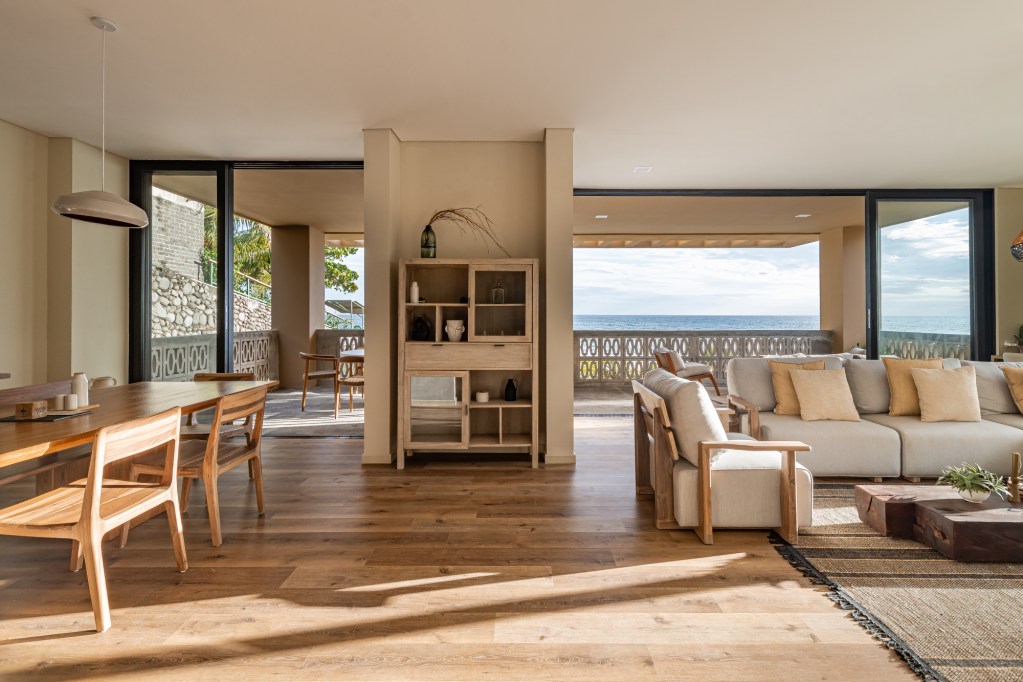
Wave House is a 19-unit condo-hotel built into the cliffs above one of El Zonte’s most consistent point breaks. It was founded by Pedro Querejeta, a Miami developer and lifelong surfer who first came to El Zonte in the early ‘90s. Back then, the beach was quiet, the roads were dirt, and the waves were empty. Over two decades later, Pedro returned with a vision – and a little Miami flair.
Today, that influence is easy to spot. There’s a rooftop cocktail bar developed in partnership with MiniBar Miami, and a lounge area with design-forward furnishings by Miami-based TUUCI. It’s quietly sophisticated. “This was just a piece of rock when I bought it,” Pedro tells me, gesturing toward the sleek, minimalist structure.
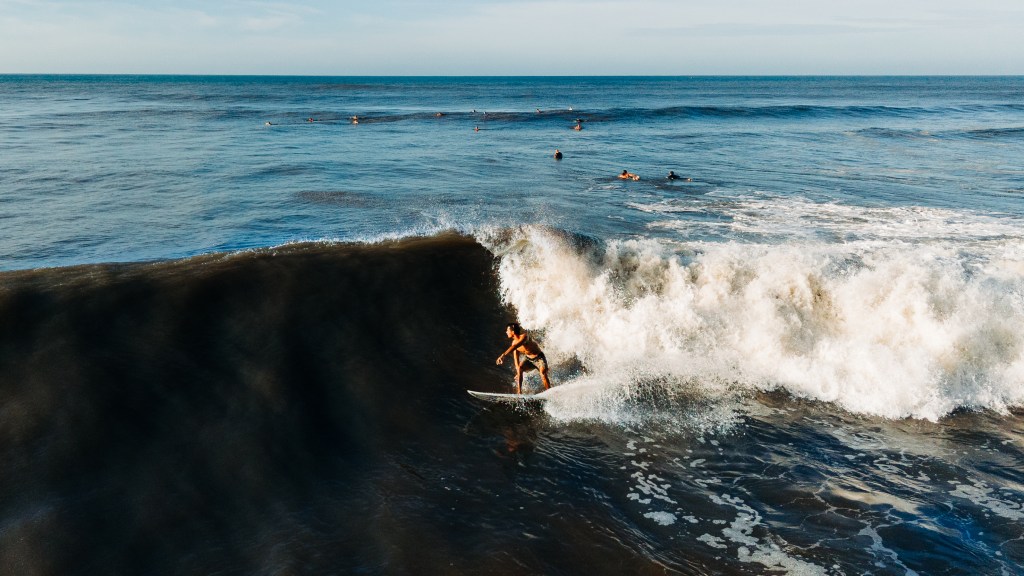
A right-hand point break rolls in just in front of Wave House, offering long, smooth rides that draw both beginners and more advanced surfers. When I finally wade into the water for my first-ever lesson with Puro Surf Academy, I’m a mix of nerves and excitement. The instructors are relaxed and encouraging, and even though I wipe out more than I stand up, I leave the water completely hooked. There’s something about the way the waves come in – predictable, rhythmic – that gives even a novice the confidence to try again.
There’s no gatekeeping here. Locals, tourists, and digital nomads share the waves. People cheer each other on, help each other carry boards back to the beach, and trade surf stories over beers at the end of the day.
If you prefer to stay dry, the infinity pool at Wave House offers a perfect front-row seat. I spend more than one afternoon lounging by the pool, watching as guests trickle in from the beach with boards under arms and sun on their faces.
WAVE HOUSE: A SURF RETREAT
Wave House is designed for people who want to live the surf lifestyle – without compromising on comfort. The rooms are spacious, with floor-to-ceiling windows and custom wood furniture. There’s a gym that focuses on biomechanics, a rooftop cold plunge and jacuzzi, and a rotating schedule of wellness offerings. But the surf is always the main event. Staff are quick to help organize lessons, link you with a local board shaper, or just tell you when the tide’s best for your skill level.
The crowd here is an interesting mix: Miami creatives, remote workers from Europe, Salvadoran expats reconnecting with their country, and even a few Bitcoin enthusiasts, drawn in by El Zonte’s earlier nickname, “Bitcoin Beach.” But while the economy of the town may be shifting, the vibe hasn’t lost its casual charm.
When I’m not surfing – or recovering from surfing – I explore the culinary scene in town. Dinner at Covana Kitchen is a standout: open-air seating, cold drinks, and an emphasis on locally sourced ingredients. One night we had dinner at a pupusería tucked down a side street – plastic chairs, sizzling griddles, and pupusas (griddled flatbread) oozing with cheese and loroco. No frills, all flavor. Another favorite is Beto’s, a cliffside restaurant with sweeping views and grilled seafood.
On my last day, I wake up early for one final rooftop smoothie. The ocean is glassy, a few surfers already in the water. I think about joining them, but instead just watch – grateful to have experienced El Zonte from both the shore and the lineup.
This isn’t a town built around tourism. It’s a town built around surf. The locals were here long before the new restaurants, new hotels, or the interest from abroad. And if you approach it with respect – board under your arm or not – you’ll find a place that welcomes you in.